

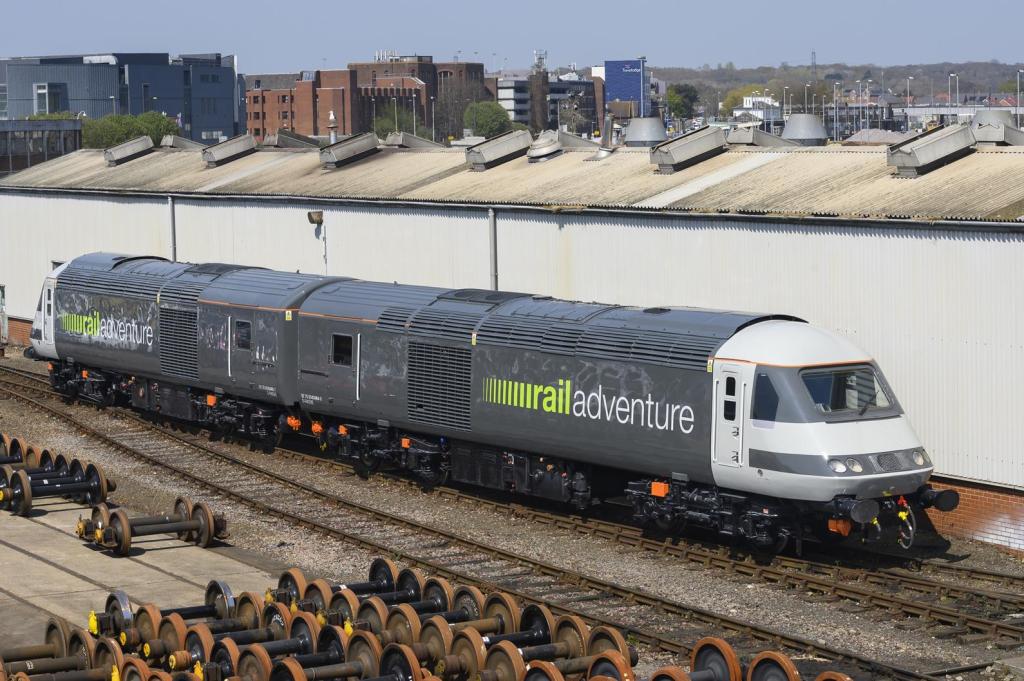
RailAdventure HST Class 43 power cars work in pairs, usually coupled together at headend of the consist when working as special transfers but also on either end of a passenger consist as seen recently pulling 9 ex-Cross Country (XC) MK3 coaches.
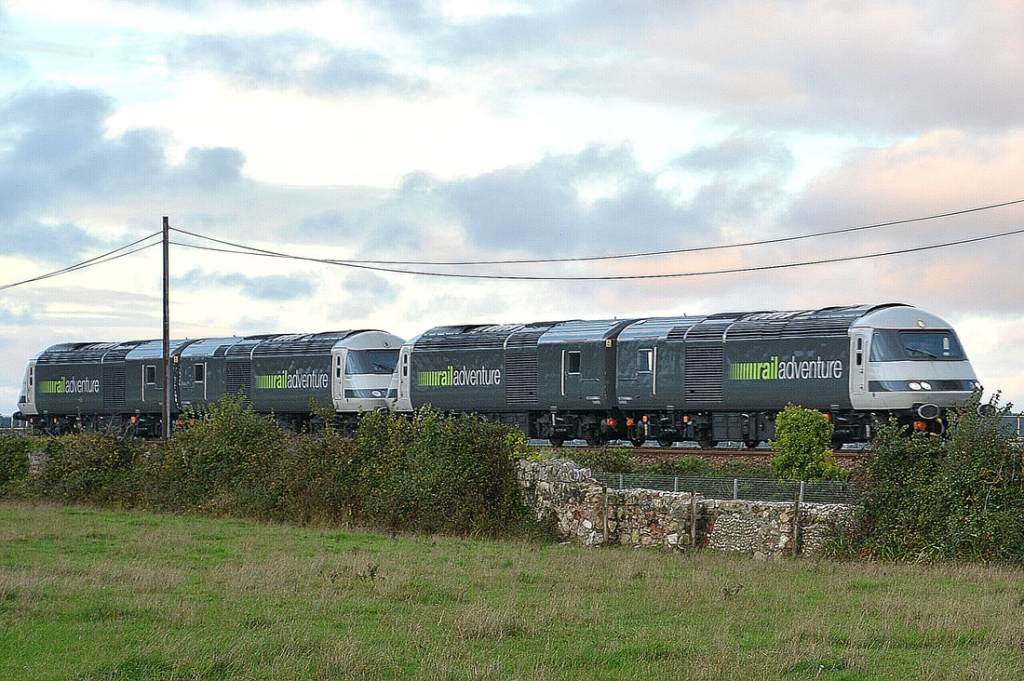
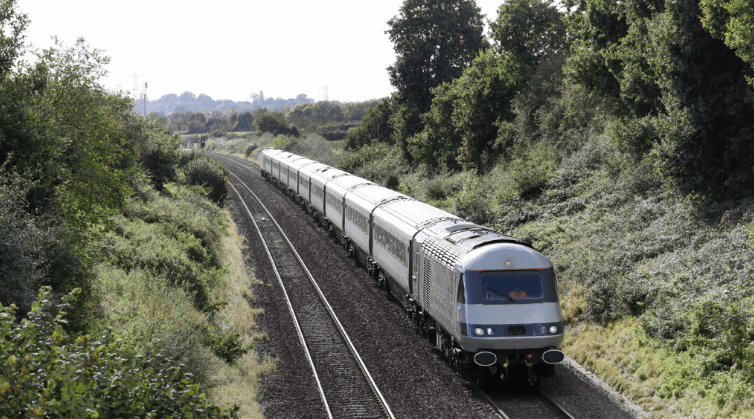
Foto: Roger Salter, Taunton Trains
Hornby’s RailAdventure HST Class 43
Hornby produced a beautiful twin set RailAdventure HST Class 43 as part of their “Trains for the Collectors” collection. HST 434 80 is motorised and DCC-ready while 434 84 is a dummy i.e. unmotorised. The printing on the models are sharp and clear …

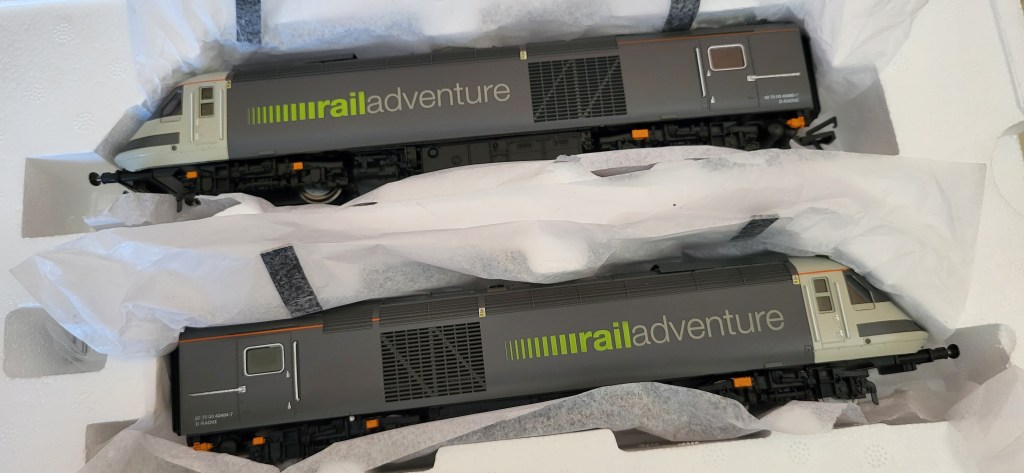
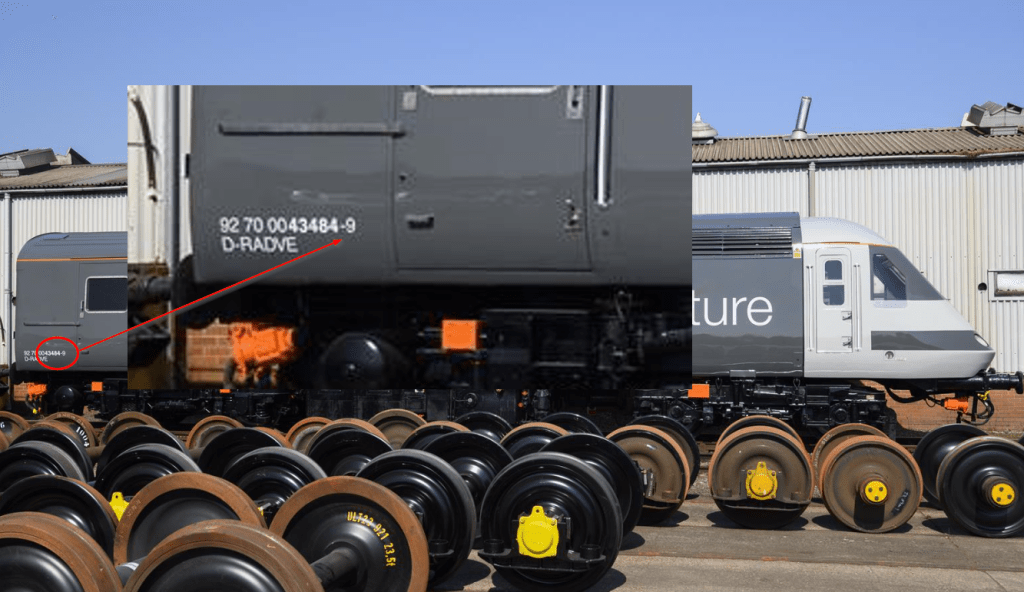
but with obvious error. The HST 434 83 was printed with a wrong EVN control digit. Instead of -7 it should be -9 as seen on the original power car.
Missing Front Coupling on Hornby Power Car
The front of each HST power car has a hook coupling for towing the barrier wagons or when towing another pair as shown above. However, both the motorised and dummy power cars on Hornby are missing the obvious part. I felt that Hornby could take that extra step by adding an NEM socket.
Fixing the Missing Front Coupling Issue

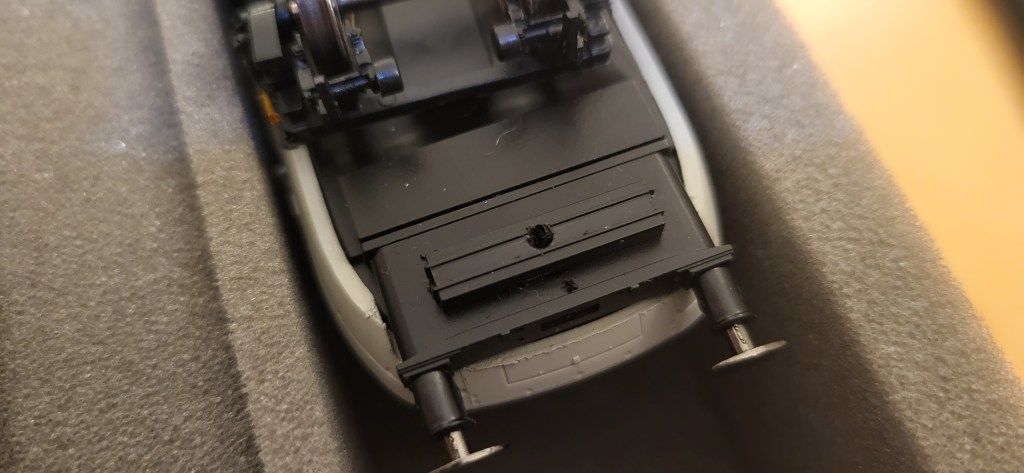
SYMOBA sells NEM sockets that could easily fit the problem. Using the NEM socket height guide, I slided the long NEM socket to check for the correct height and position below the front cab. It matched perfectly.


The plastic part is 18mm long and I made a marking in exactly in the middle – 9mm from each side and drilled a hole for the screw.

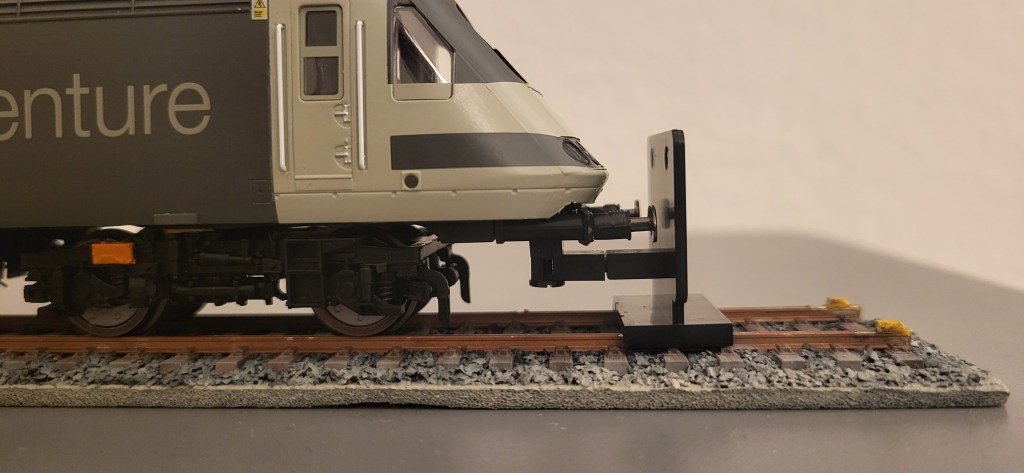
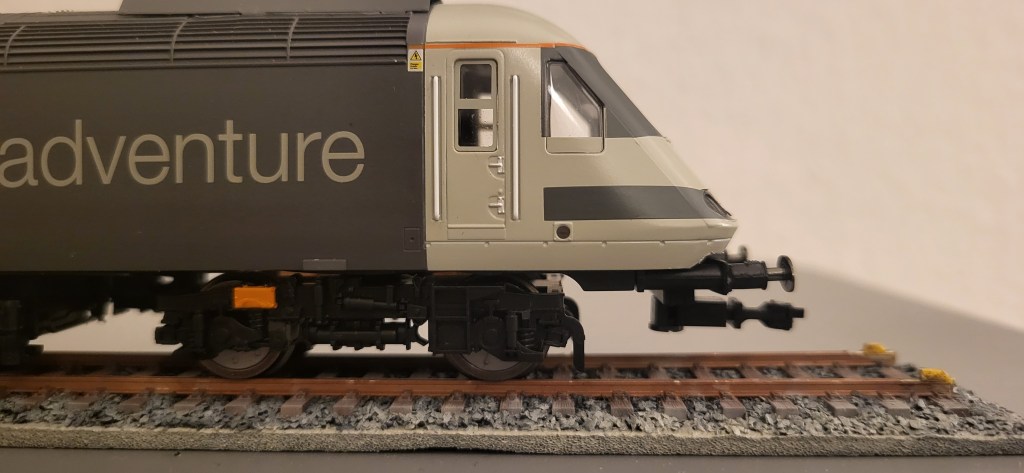
Using the NEM socket height guide, I checked for the proper height and perfecto. Both power cars now have Hornby magnetic buckeye coupling.
First Impressions of RailAdventure HST Class 43
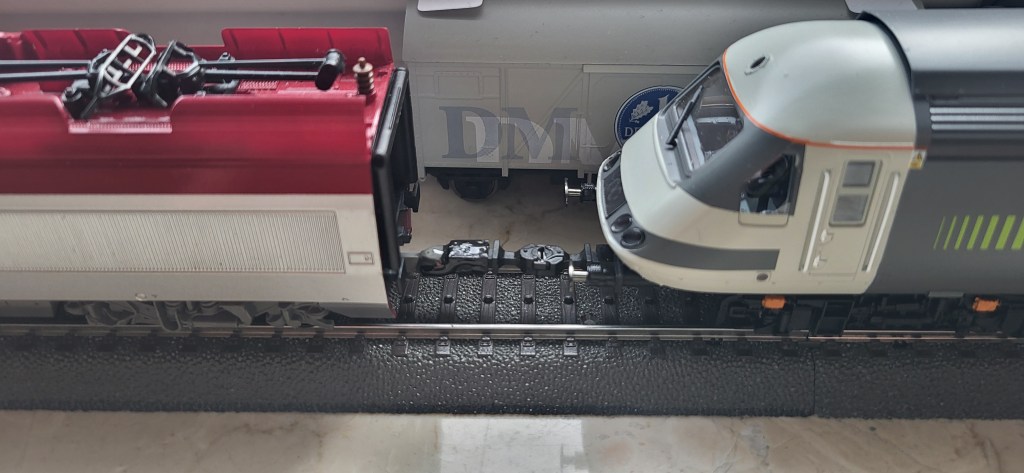
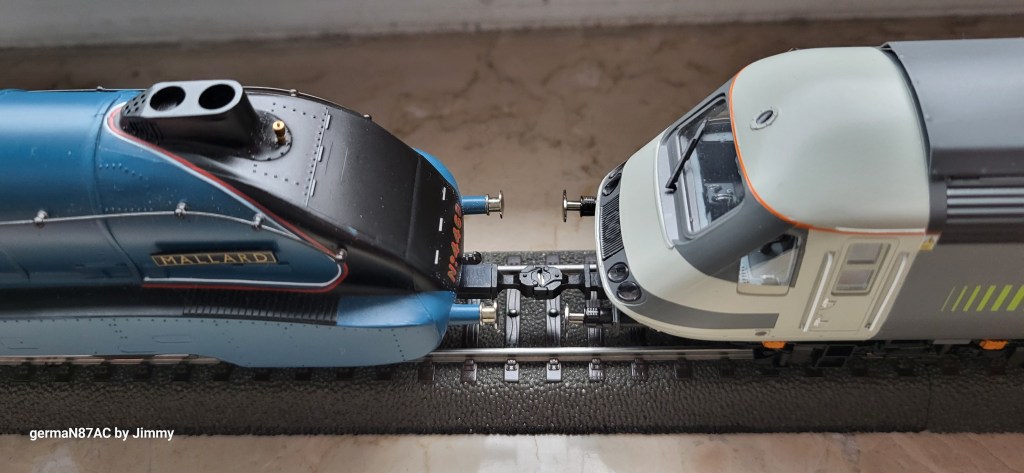
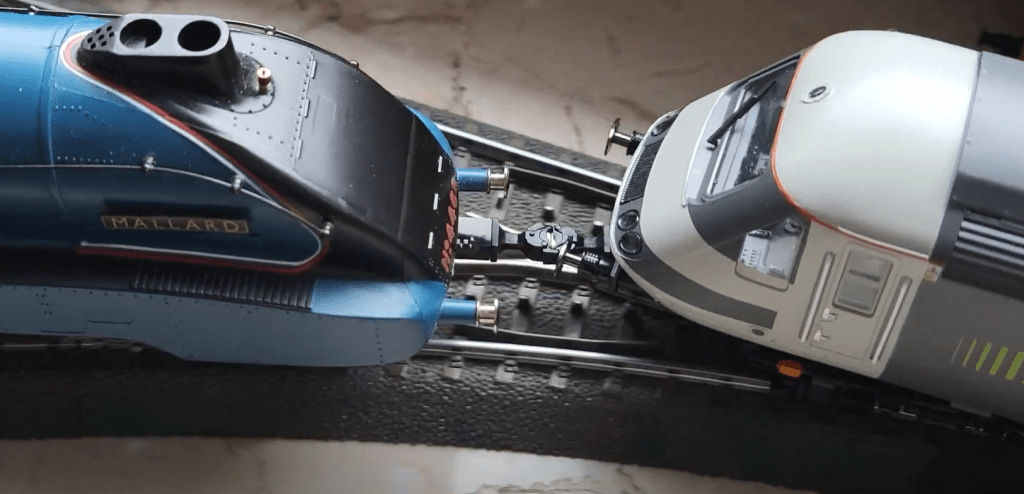


The NEM socket can move sideways to allow negotiation on curves and turnouts.
 germaN:87AC :: Steam Experience Across Germany